
What is Bruxism? Everything you need to know about Teeth Grinding and Jaw Clamping
Contents
What is Bruxism?
Bruxism, a common phenomenon that many may not be fully aware of, refers to the unconscious grinding of the teeth and/or clenching of the jaws. This dental condition can occur during both day and night hours and often affects both the teeth and a person's overall health. It can be caused by a variety of factors, including stress, anxiety, jaw misalignment, and even sleep disorders. On this page, we explore in more depth what exactly bruxism means, its possible causes, and most importantly, the treatment options available to manage this unwanted behavior and maintain dental health.
Sleep bruxism and wake bruxism
Sleep bruxism and waking bruxism are two different manifestations of the dental condition bruxism, which involves unconscious grinding and clenching of the teeth. Sleep bruxism occurs during sleep, often without the person's awareness, and can cause significant damage to the teeth. On the other hand, waking bruxism happens during waking hours and is often associated with stress and tension. Although the causes and effects of both forms differ, they have one common target: the teeth. Understanding these distinguishing features is important for an accurate diagnosis and effective management of bruxism.
New solution for waking bruxism
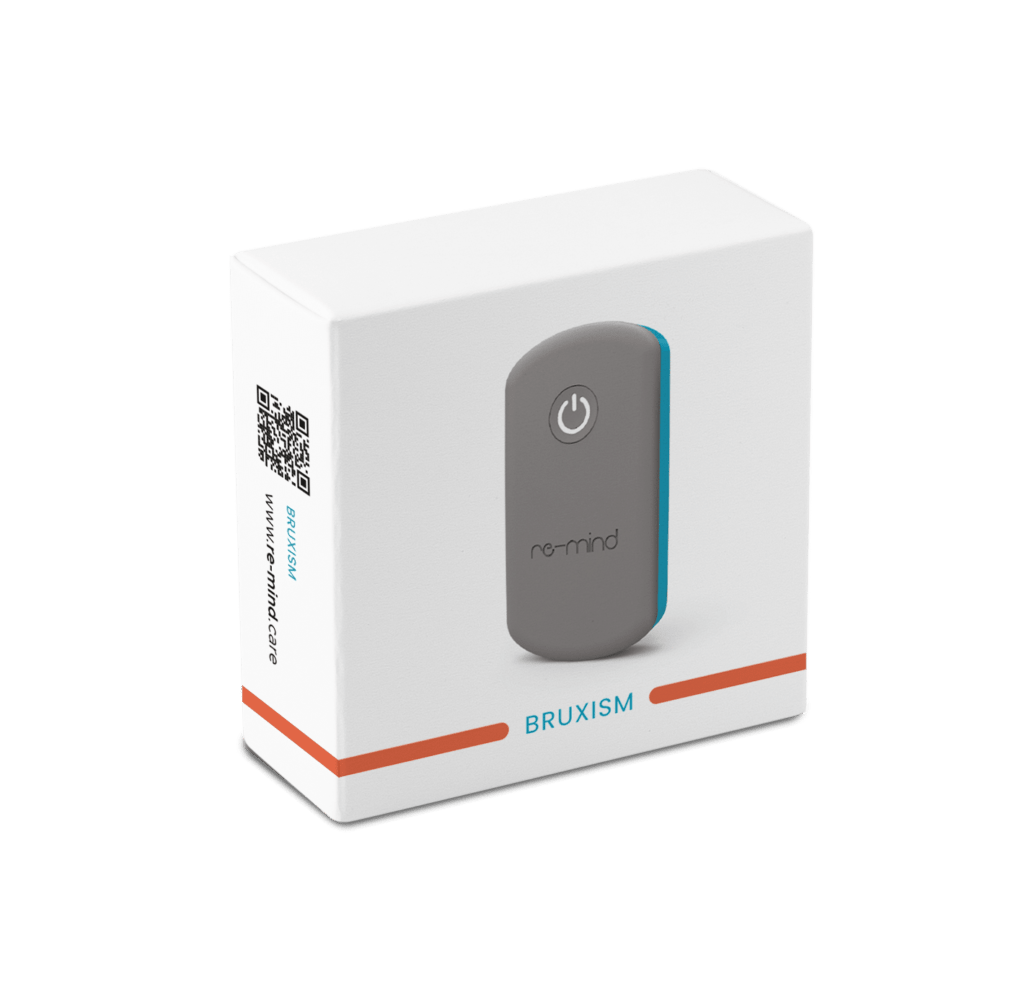
There is an innovative solution for people who suffer from waking bruxism: the re-mind. This helps you to become aware of your grinding and clenching behavior. With a gentle vibration, the re-mind reminds you to relax your jaw and thus eliminate clenching and grinding. You can re-mind Bruxism easily and quickly via this website to order.
How many people suffer from Bruxism?
It is difficult to say exactly how many people suffer from teeth grinding and/or jaw clenching. The problem is that many people do not know that they suffer from Bruxism. Exact numbers are therefore difficult to name. It is estimated that 20% of people suffer from it. That's quite a lot, especially considering the impact that Bruxism can have if you don't do anything about it.
Why should you take Bruxism seriously?
Many people don't realize they are grinding their teeth until it becomes visible! For example, during a regular dental check-up, the dentist may discover that your teeth are wearing down. But it may also be that you have been suffering from a painful jaw or (chronic) headache for some time. If you suspect that you have bruxism, it is important to discuss this with your dentist. In some people, bruxism can be frequent and severe enough to cause jaw dysfunction, headaches, damaged teeth and other problems.
Symptoms of Bruxism
If you suffer from Bruxism, this can manifest itself in many different ways. For example, you can think of earache, headache, a sore jaw or painful teeth, especially just after waking up. Your face and jaw may also feel stiff and/or sore.
This can make your teeth sensitive and cause problems when drinking cold drinks or eating ice cream. Your enamel can also be damaged over time. Some people even experience raised tissue on the inside of the cheek from biting. You may also see tooth impressions on your tongue. In the worst case, teeth can also loosen.
Causes of Bruxism
You probably don't realize it, but chewing is a rather complex activity that involves several muscles. The muscles are responsible for moving the lower jaw, both in a hinging and sliding motion. Some muscles are there to close the mouth and others help with sideways and forward and backward movements. Both subconscious and conscious processes play a role in chewing. This means that you do not always realize that you suffer from Bruxism. In people without jaw problems, the jaw is usually at rest and the teeth are not in contact with each other, except during 'normal' activities such as speaking, swallowing or chewing.
The exact cause of bruxism is unknown, but it probably has multiple causes. With Awake bruxism, this is often due to stress and with bruxism during sleep this may be due to abnormalities in the central nervous system. This is often related to disturbed sleep.
Diagnosis of Bruxism
Bruxism is diagnosed during regular dental visits, where the dentist examines your teeth for signs of bruxism, such as flattened teeth and other clues. If there is damage to your teeth, this often means that you have been suffering from Bruxism for a long time.
Treatments and management of Bruxism
Fortunately, there is also something that can be done about Bruxism. It is often the dentist who discovers damage to the teeth. People then suddenly recognize the complaints such as painful jaws, headaches and general tension. Because people are often unaware of teeth grinding and jaw clenching, we have developed a device that makes you aware of your behavior.
The Re-mind is a small device that emits small vibrations according to a pre-programmed sequence, so that you can check at that moment whether you are grinding or clenching your jaw. The regular vibrations throughout the day make you more aware of your behavior and teach you to relax your jaw. Our experience is that if you continue this for a longer period of time, the complaints will decrease. If you would like to know more about the Re-mind or would like to purchase it, please visit the Re-mind for Bruxism page
Specific protection products
You can have a teeth grinding mouthpiece made by your dentist that you can use at night, for example, if you suspect that you are grinding or clenching your jaw during your sleep. To make a mouthguard at the dentist, you have to bite into plaster, so that a perfect impression is created with which a mouthguard is made. Kruidvat, for example, also has mouthguards that you could buy, but they probably don't fit as well as if you had a mouthguard made by a dentist.
Natural remedies and supplements
There are also other ways that help to relax your jaws, for example. Magnesium is said to help relax your muscles.
Exercises
Do you often experience a tense jaw, pain or discomfort and do you suspect that stress or bruxism plays a role in this? You are not alone. Many people suffer from these symptoms without knowing that there are simple and effective ways to deal with them. We therefore have a number of specific exercises for you to relax the jaw muscles and reduce the negative effects of bruxism.
These exercises, ranging from jaw relaxation techniques to breathing and awareness exercises, are easy to perform and only require a few minutes of your time. They are intended to not only relieve tension in your jaw, but also to contribute to your general well-being by reducing stress, which is often a major contributor to the development of bruxism.
We have a nice overview of all Bruxism exercises compiled for you.
The link between bruxism and stress
Stress is an important factor in the development and worsening of bruxism. The relationship between stress and bruxism is complex and affects both conscious and unconscious behavior. Under the influence of stress, people can unconsciously tighten their jaw muscles. This often results in jaw clenching, where the teeth are pressed tightly together. Sometimes a person does this unconsciously for a long period of time.
Jaw clenching can lead to jaw pain, headaches and even tooth damage. It also causes excessive strain on the jaw joint, which can lead to temporomandibular joint (TMJ) disorders. Stress, anxiety and other emotional factors can lead to increased muscle tension and cause unconscious and uncontrolled movements such as jaw clenching and teeth grinding.
Stress activates the 'fight or flight' mechanism in the body, resulting in increased muscle tension. The jaw muscles are strong, sturdy muscles and can therefore also become tense when people experience stress.
Research Bruxism & re-mind
Orofacial (jaw) physiotherapist Merel Maassen did research at the HAN University of Applied Sciences into the use of the re-mind in recognizing waking bruxism in combination with Habit Reversal Therapy.
All participants experienced support from the re-mind in learning to recognize waking bruxism. The majority of the participants also had a positive experience with the use of the re-mind.

Frequently Asked Questions
We are happy to help you with any questions you have about Bruxism and how the re-mind can help to reduce teeth grinding and jaw clenching
Whether you can get rid of bruxism depends on the underlying causes and severity of the condition.
Psychological factors are often the primary causes of bruxism. Managing stress and anxiety can reduce the symptoms of bruxism.
People with certain sleep disorders, such as sleep apnea, often experience bruxism. Treating the sleep disorder can help reduce bruxism.
Factors such as alcohol and caffeine use, smoking and certain medications can worsen bruxism. Lifestyle changes can therefore have positive effects.
Bruxism can cause a variety of dental and health problems. It is important to take action if you suspect that you are suffering from bruxism. Here are some things you can do yourself:
Awareness and Relaxation Techniques: Keep your awareness sharp at times when you may be unconsciously grinding your teeth or clenching your jaw. In addition, relaxation techniques such as deep breathing, yoga or meditation can help reduce overall tension in your body, which can help reduce bruxism.
Stress management: Since stress is a common cause of bruxism, it is crucial to manage stress effectively. Identify sources of stress in your life and implement coping strategies, such as planning relaxing activities, setting boundaries, and considering counseling or therapy.
Dental Hygiene and Habit Change: Improve your oral hygiene by brushing and flossing your teeth regularly, which can reduce dental complications due to bruxism. Additionally, you may want to consider avoiding habits such as chewing gum or biting pencils, as these can increase the risk of bruxism.
In addition to awareness and relaxation techniques, it is advisable to regularly perform specific exercises aimed at relaxing the jaw muscles and improving mobility. These exercises can vary from simple stretching exercises to oral and jaw exercises. Regular training of the jaw muscles can help reduce tension and promote jaw flexibility.
However, if you experience persistent jaw pain or stiffness, it may be advisable to seek professional help. Consider physiotherapy, where a specialist physiotherapist can guide you through targeted exercises and techniques to tackle the jaw problems. Physiotherapy can not only provide relief for existing complaints, but also help prevent further complications caused by bruxism.
It is important to take an integrated approach, combining both self-care measures and professional guidance, to effectively manage bruxism and its associated symptoms. If complaints persist, always contact a healthcare professional for a thorough evaluation and personalized advice.
In some cases, your doctor may prescribe medications to reduce muscle tension. Acupuncture and massage can also help relieve symptoms.
In addition, there are the grinding bits for bruxism at night and the re-mind for bruxism during the day (awake bruxism).
Adjusting your lifestyle can contribute in several ways to improving your overall well-being and specifically to dealing with bruxism. Here are some suggestions:
Stress management: Identify stressors in your life and work on effective stress management techniques. Regular exercise, meditation, deep breathing exercises, and practicing relaxation techniques can help reduce stress, which in turn can reduce bruxism.
Sleep Hygiene: Maintain a consistent and healthy sleep routine. Create a comfortable sleep environment, limit screen use before bed, and avoid caffeine and heavy meals right before bed. A good night's sleep can reduce the risk of sleep bruxism.
Oral hygiene: Pay extra attention to oral hygiene. Brush your teeth regularly, use dental floss and rinse with a mouthwash to reduce plaque. A healthy mouth can reduce the impact of bruxism on your teeth.
Diet: Consider dietary adjustments, especially if caffeine or alcohol contributes to stress or bruxism. A balanced diet with sufficient nutrients can support your overall health.
Awareness exercises: Perform regular awareness exercises to check whether you are relaxing your jaw, especially during stressful situations. This awareness can help you respond in time and avoid unnecessary tension.
Professional help: Consider professional help, such as physical therapy or counseling, depending on your specific needs and symptoms.
It's important to make changes gradually and evaluate what works best for you. If bruxism persists or has serious consequences, consult a dentist or health professional for personalized advice and treatment options.
Yes, it is advisable to consult a dentist if you suspect that you suffer from bruxism. Dentists specialize in dental health and can diagnose and treat the damage caused by teeth grinding or clenching.
A dentist can:
Making a diagnosis: The dentist can identify the signs of bruxism, such as tooth wear, sensitivity, and other possible complications.
Giving advice about treatment: Based on the severity of your bruxism, the dentist may suggest different treatment options. This can vary from wearing a custom-made mouthguard ('night mouthguard') to recommending relaxation techniques or referral to specialist care.
Take preventive measures: The dentist can also advise on preventive measures and guide you in adjusting your lifestyle to reduce the impact of bruxism.
It is important not to wait until any symptoms of bruxism worsen before seeking professional help. Early intervention can help prevent further damage to your teeth and maintain the overall health of your mouth. If you find yourself experiencing symptoms of bruxism, make an appointment with your dentist for a thorough evaluation and appropriate advice.
Resume
Bruxism is a condition in which a person unconsciously grinds or clenches their teeth, both while awake (Awake bruxism) and while sleeping (Sleep bruxism or Nocturnal bruxism). Sleep bruxism is considered a sleep-related movement disorder and can coexist with other sleep disorders such as snoring and sleep apnea. Severe cases of bruxism can lead to jaw disorders, headaches, damaged teeth and other problems.
Symptoms include headache, sore jaw, earache, sore teeth, and tenderness when drinking cold drinks or eating ice cream. It can also lead to tooth damage and increased tissue in the cheek. The causes are complex and may be related to stress or abnormalities in the central nervous system. The diagnosis is often made during regular dental visits.
Treatments range from becoming aware of the behavior (for example with the re-mind), the use of mouthguards, stress reduction techniques, improving sleeping habits, lifestyle adjustments, physiotherapy, and sometimes medication. Jaw muscle exercises and breathing exercises can also help reduce tension. If you experience persistent or painful jaw tension, it is recommended that you consult a medical professional.